
Čas po jídle pro sport: kdy je nejlepší cvičit po jídle
When you eat, your body shifts into trávení, proces, při kterém se krev přesouvá do břicha, aby pomohla rozložit jídlo. This same blood flow is needed when you cvičit, kdy tělo potřebuje více krve u svalů a plic. If you start exercising too soon after eating, these two needs clash — and that’s when you feel bloated, nauseous, or just plain sluggish. The question isn’t just "when to eat before sport" — it’s about matching your body’s rhythm to your activity.
For most people, waiting 1–2 hours after a light snack like yogurt or a banana is enough. But if you’ve eaten a big meal — think pasta, roast, or a hearty sandwich — give it 3 hours. This isn’t just common sense; it’s backed by studies on digestion and exercise performance. Your stomach needs time to break down food before your muscles can take over. Trying to run or lift weights right after eating doesn’t make you burn more fat — it just makes you miserable. And if you’ve ever thrown up during a workout, you know why this matters.
It’s not just about timing — it’s about what you eat. A meal high in fat or fiber takes longer to digest, so plan accordingly. Protein and carbs are easier to handle before activity. If you’re training early in the morning and don’t have time to wait, a small glass of milk or a piece of toast 20–30 minutes before is fine. But never force yourself to train on a full stomach. Your body isn’t designed for that.
Some people swear by fasted training — exercising before breakfast. It works for some, especially for low-intensity activities like walking or light cycling. But if you’re doing strength training or high-intensity intervals, you’ll likely perform better with a small, easily digestible snack beforehand. The key is experimentation. Track how you feel after eating different foods at different times. Keep a simple note: what you ate, when, and how your workout went. After a week, patterns will show up.
And don’t forget hydration. Drinking water before and after meals helps digestion, and staying hydrated during exercise keeps energy levels stable. But chugging a liter right before a run? That’s asking for trouble. Sip steadily — don’t gulp.
There’s no universal rule that fits everyone. Your metabolism, your activity type, your meal size — they all matter. But the core principle is simple: give your body what it needs, when it needs it. Don’t rush digestion to chase a workout. Let your food work for you, not against you.
Below you’ll find real-life advice from people who’ve figured out their own rhythm — whether it’s a morning jog after toast, an evening bike ride after a light salad, or lifting weights two hours after lunch. No myths. No extremes. Just what actually works.
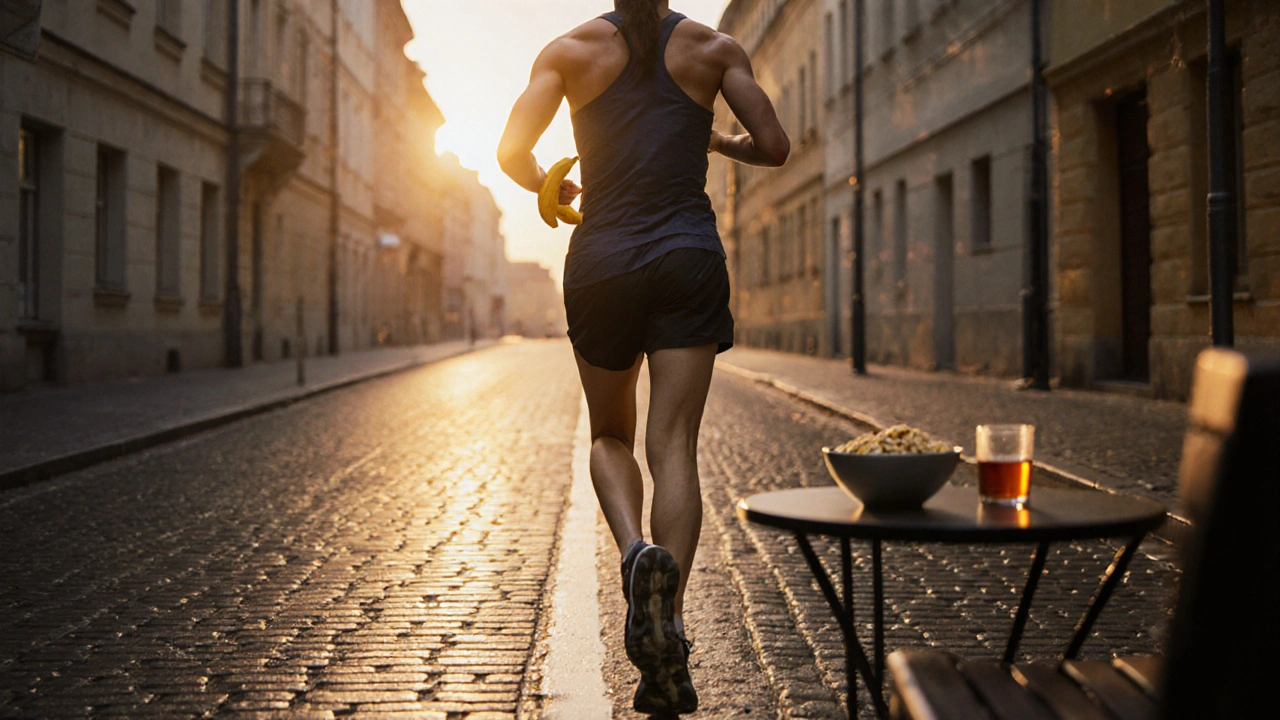
Jak dlouho po jídle jít cvičit? Správné časování pro lepší výkon a trávení
lis 8 2025 / Zdraví a fitnessZjistěte, jak dlouho po jídle jít cvičit, aby jste se vyhnuli nevolnosti a získali lepší výkon. Správné časování podle typu jídla a druhu tréninku.
ZOBRAZIT VÍCE